
Plan safer, smoother events with crowd control barrier hire that improves flow, protects zones and supports professional site logistics.
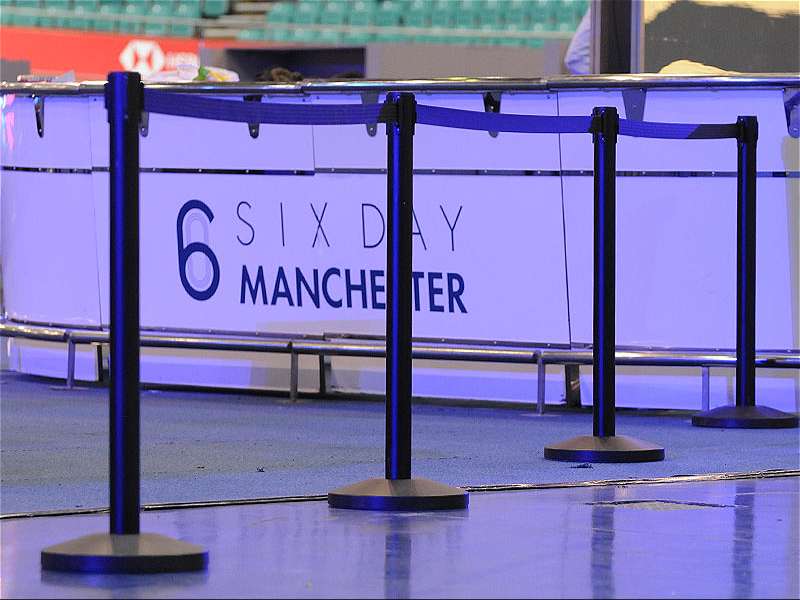
Crowd control barriers hire is one of those event essentials that rarely gets celebrated, but it makes a huge difference to safety, guest flow and overall event professionalism. Whether you’re planning a festival-style site, a public-facing activation, a sports day, a charity fundraiser or a large outdoor corporate event, the right barrier plan helps you manage queues, separate zones, protect equipment, and keep access routes clear for staff and emergency services.
If you’re organising an event and want to streamline your planning early, Easy Event Hire UK can help. You can start with our event collections for larger sites via outdoor events hire, browse barrier options directly through temporary barriers, and explore our wider equipment hire offering through the Easy Event Hire UK homepage. Even if you’re still finalising your site plan, locking in crowd control barriers hire early can reduce last-minute risk and give your suppliers clearer access routes.
This guide covers the main barrier types, common dimensions, how to calculate quantities, and the real-world logistics that make barrier hire run smoothly on the day.
Crowd control barriers hire: what they’re used for and why they matter
Crowd control barriers hire is about more than “stopping people going somewhere”. In modern event planning, barriers are used to create structure and clarity.
Common uses include:
Queue management at entrances, ticketing and wristband points
Separating public areas from back-of-house zones
Protecting staging, generators, cable runs and technical equipment
Creating pedestrian routes and safe walkways
Controlling access around bars, catering areas and VIP spaces
Managing crowd pressure near performance areas
Marking off hazards such as uneven ground, vehicle routes or temporary works
For outdoor events in particular, crowd control barriers hire can be the difference between a calm site and a stressful one. With a clear barrier plan, security teams can manage people proactively rather than reacting to problems.
Types of crowd control barriers hire: choosing the right option
Different barrier types serve different purposes. The best crowd control barriers hire plan usually uses a mix rather than relying on one style everywhere.
1. Steel crowd control barriers (bike rack barriers)
These are the classic metal barriers used at public events. They interlock and form long continuous runs, making them ideal for:
Perimeter control
Queue lines
Road closures and footpath reroutes
Stage-front buffer zones (combined with security planning)
They are typically robust, stable and reusable, which is why they remain the go-to for crowd control barriers hire at outdoor events and high-footfall sites.
2. Plastic water-filled barriers
These are lightweight when empty, then filled with water for stability. They’re often used for:
Vehicle and pedestrian separation
Temporary roadworks-style routing
Creating wide visual boundaries
Lower-pressure crowd guidance
Plastic barriers can be more visible and are often chosen where you want a clear “line” without the visual harshness of steel. They can also suit events where barriers need to be repositioned quickly during setup.
3. Retractable belt barriers
Common indoors, these are ideal for:
Reception areas
Indoor queuing
Exhibitions and check-in desks
Museum-style routing
They look smart and are great for controlled indoor flow, but they’re not designed to resist crowd pressure, so they’re rarely the right choice for outdoor high-capacity use.
4. Barrier accessories and add-ons
Depending on the supplier and range, you may also find:
Barrier covers (branding, sponsor messaging, privacy)
Barrier feet or stabilisers for uneven ground
Linking hooks and clips
High-visibility signage attachments
When building a crowd control barriers hire plan, accessories can improve clarity, brand consistency, and safety compliance.
For a quick view of available options and configurations, head straight to our temporary barriers section.
Dimensions: what sizes are crowd control barriers?
While exact specs vary by model, crowd control barriers hire typically involves standardised sizes so units can interlock and be deployed efficiently.
Common steel crowd control barrier dimensions are often around:
Length: approximately 2.0–2.5 metres
Height: approximately 1.0–1.2 metres
Plastic water-filled barriers vary more, but many fall into similar length ranges, with different base widths depending on stability design.
Why dimensions matter:
They affect how many units you need per run
They influence transport volume and handling time
They determine how tight you can make turns and corners
They impact storage and on-site stacking requirements
A simple way to estimate quantities is to divide your required run length by the barrier length and add extra for corners, returns and contingencies. For example, if barriers are 2.5 metres long and you need a 50-metre run, you’ll need 20 units, plus additional barriers for returns at the ends if you want it to feel secure and intentional.
Logistics: what to plan before you book crowd control barriers hire
Logistics is where many barrier plans fall down. Crowd control barriers hire isn’t complicated, but it is heavy, space-consuming, and often deployed on tight schedules.
1. Delivery and access routes
Confirm:
Vehicle access to drop points
Whether HGVs can reach the site or if smaller vehicles are needed
Loading bay restrictions or timed access windows
Distance from drop point to barrier placement area
If your site is large, plan multiple drop points. Moving barriers by hand across a field or car park adds significant labour time.
2. Handling and labour requirements
Barriers are bulky and can be heavy. If you’re hiring large volumes, you need enough crew to:
Unload safely
Move to position
Build long runs with correct interlocking
Create safe corners and returns
Remove and re-stack after the event
If you have limited crew, consider simplifying the design or staggering setup so critical routes are prioritised first.
3. Ground conditions and weather
Outdoor events change quickly. Wet ground and wind can affect stability, especially for lighter barrier types.
Plan for:
Uneven terrain around corners
Areas that become slippery or muddy
Soft ground near entrances and high-traffic points
Extra stabilisers where needed
If your event is based around large-scale sites, start planning through our outdoor events hire collection so your barrier plan integrates with other essentials like flooring, seating and site equipment.
4. Site layout integration
Crowd control barriers hire should be part of your wider site plan, not a last-minute add-on. Key zones to mark up early:
Entrance and queue areas
Ticketing and accreditation
Emergency vehicle routes
Back-of-house areas
Stage and performance zones
Food, bar and welfare areas
VIP entrances and sponsor zones
Barrier placement is also influenced by licensing requirements, security strategy and stewarding. A good barrier plan supports staff, rather than forcing them to compensate for weak routing.
How to calculate quantities for crowd control barriers hire
A practical approach is to list each barrier requirement as a “run”:
Perimeter run lengths
Queue zig-zag lengths
Protected equipment zones
Vehicle route separation lengths
Back-of-house boundaries
Then:
Measure approximate metres needed per run
Divide by barrier length
Add 10–15% contingency for corners, returns and changes on the day
For queues, remember that zig-zag layouts use more barriers than straight lines. If you expect spikes in arrivals, plan your queue system generously. It’s usually better to have spare barriers available than to scramble while people are already arriving.
Common mistakes to avoid
These errors are frequent when organising crowd control barriers hire:
Underestimating how many barriers are needed for corners and returns
Placing barriers in main walkways so they cause pinch points
Not planning a clear emergency access route
Choosing light barriers for high-pressure crowd areas
Assuming the venue has enough barriers already
Leaving barrier decisions too late in the planning process
Avoiding these mistakes starts with early planning and working with a supplier that understands real event logistics.
Why choose Easy Event Hire UK for crowd control barriers hire?
Easy Event Hire UK supports events of all sizes with practical, reliable equipment hire nationwide. If you need crowd control barriers hire for an outdoor event, public-facing setup, or high-footfall environment, we make it easy to source the right barrier types and quantities.
Start here:
Outdoor event planning support: outdoor events hire
Barrier options and specifications: temporary barriers
Full range of equipment hire: Easy Event Hire UK
Booking early means better availability and more time to align barrier delivery with the rest of your event build.
Practical checklist for the day before delivery
To ensure your crowd control barriers hire runs smoothly, confirm:
Final site map with barrier runs marked
Delivery drop points agreed and accessible
Sufficient crew arranged for unloading and setup
High-pressure areas prioritised for early build
Signage and stewarding plan aligned with barriers
Contingency barriers identified for last-minute changes
If you’ve done this prep, barrier deployment on the day becomes straightforward.
Final thoughts
Crowd control barriers hire is a foundational part of safe, well-run events. The right barriers, placed in the right locations, reduce risk, improve crowd flow, and help your event feel professional from the moment guests arrive.
By understanding barrier types, planning dimensions properly, and getting logistics right early, you’ll avoid the most common last-minute issues. If you’re currently designing your site plan, explore Easy Event Hire UK’s temporary barriers range, align your setup with our outdoor events hire guidance, and use the Easy Event Hire UK homepage to build the rest of your event infrastructure in one place.


